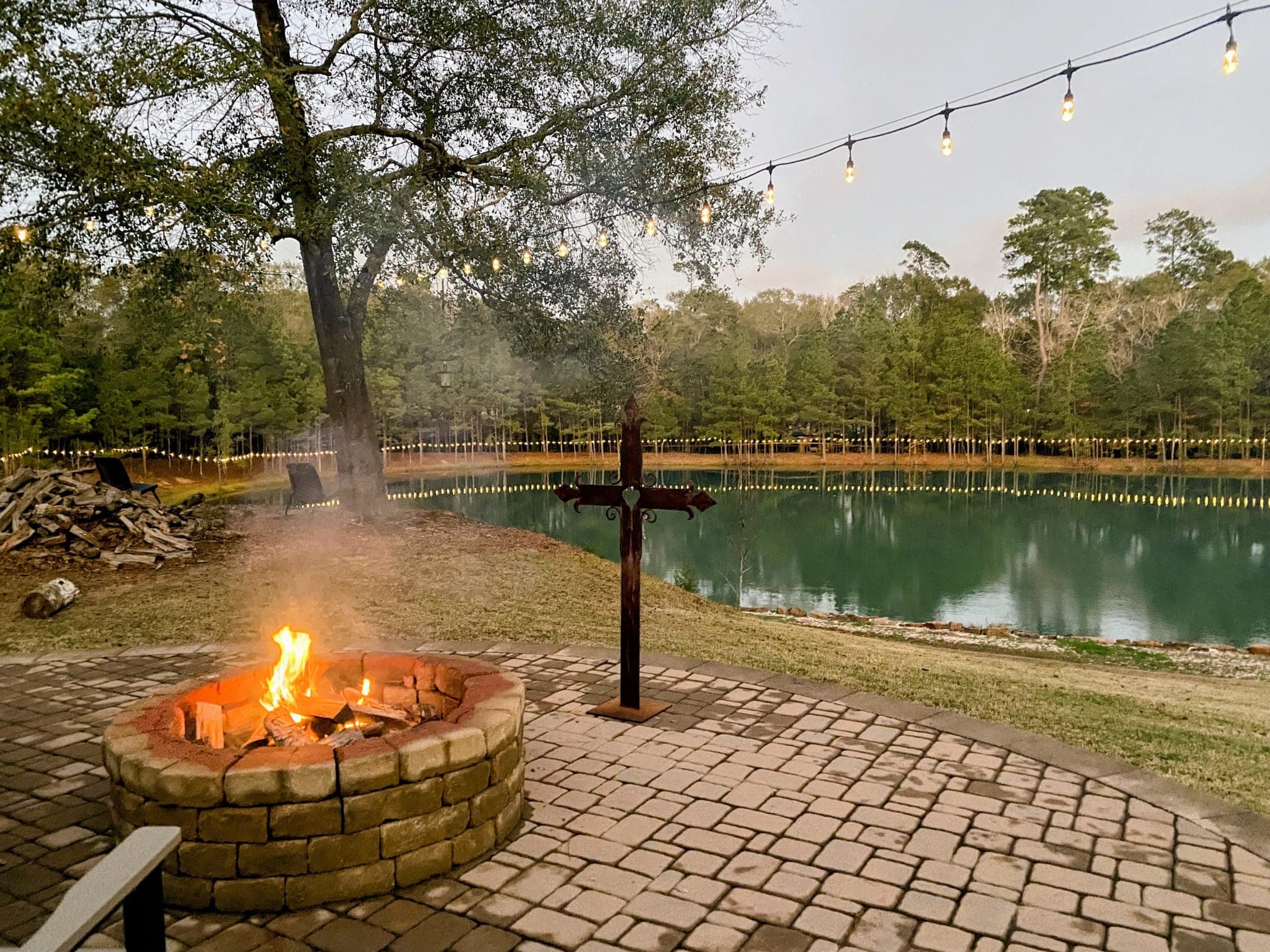
In our hyperconnected, always-on modern world, the idea of stepping away from everything, of deliberately withdrawing from the noise, the screens, the demands, and the distractions, might seem counterintuitive or even irresponsible. And yet, this is precisely what the Catholic tradition of retreat invites us to do. A retreat is not an escape from reality but a deeper plunge into it, a temporary withdrawal from the surface of life in order to encounter the depths. It is a practice rooted in Scripture, refined by centuries of spiritual wisdom, and proven by the testimony of countless souls who have found their lives transformed by the experience of stepping away to draw closer to God. In this article, we will explore the history and theology of Catholic retreats, the different types available, what to expect when you attend one, and how the retreat experience can bear fruit long after you return to daily life.
Jesus and the Practice of Withdrawal
The practice of retreat finds its ultimate model in Jesus Christ Himself. Throughout the Gospels, we see Jesus repeatedly withdrawing from the crowds, from His disciples, and even from His ministry in order to pray in solitude. Before beginning His public ministry, Jesus spent forty days in the desert, fasting, praying, and confronting the temptations of the devil (Matthew 4:1-11). This extended period of withdrawal and prayer was not a delay or interruption of His mission; it was its essential preparation.
Throughout His ministry, Jesus continued this pattern of withdrawal and return. After feeding the five thousand, He "went up on a mountainside by himself to pray" (Matthew 14:23). Before choosing His twelve apostles, He "went out to a mountainside to pray, and spent the night praying to God" (Luke 6:12). After particularly intense periods of ministry, He would say to His disciples, "Come with me by yourselves to a quiet place and get some rest" (Mark 6:31). And in the Garden of Gethsemane, on the night before His death, Jesus withdrew to pray in His most agonizing hour, seeking the Father's will in the midst of His suffering (Luke 22:39-46).
"But Jesus often withdrew to lonely places and prayed." (Luke 5:16)
This pattern in the life of Jesus establishes the rhythm of withdrawal and engagement, of contemplation and action, that has characterized the Christian spiritual life ever since. We are not meant to be perpetually active, perpetually productive, perpetually available. We need times of stillness, times of listening, times of simply being in the presence of God. Retreats provide these times.
The History of Catholic Retreats
The formal practice of organized retreats has a rich history in the Catholic Church, though its roots in the eremitic (hermit) and monastic traditions go back to the earliest centuries of Christianity.
In the third and fourth centuries, men and women began withdrawing to the deserts of Egypt, Palestine, and Syria to live lives of prayer and asceticism. The Desert Fathers and Mothers, as they came to be known, sought to strip away everything that stood between them and God. Their sayings and stories, collected in works like the Sayings of the Desert Fathers, remain treasures of spiritual wisdom. While they were not "retreats" in the modern sense, they established the fundamental insight that solitude and withdrawal can be powerful means of spiritual transformation.
The monastic tradition, beginning with Saint Benedict in the sixth century, institutionalized the rhythm of prayer and work (ora et labora) and created communities where guests could come for periods of spiritual refreshment. The tradition of monastic hospitality, rooted in Benedict's Rule, which instructs monks to welcome all guests as Christ, made monasteries natural centers for what we would now call retreat experiences.
The formal retreat movement as we know it today owes much to Saint Ignatius of Loyola (1491-1556), the founder of the Society of Jesus (Jesuits). His Spiritual Exercises, a systematic program of meditations, contemplations, and discernment exercises designed to be made over approximately thirty days, became the model for organized retreats in the Catholic Church. The Ignatian retreat, whether in its full thirty-day form or in shorter adaptations, remains one of the most widely practiced and influential forms of Catholic retreat.
Following the Jesuits' example, many other religious orders and movements developed their own retreat traditions. The Franciscans, Dominicans, Carmelites, and Benedictines all offer retreats that reflect their particular charisms and spiritualities. In the nineteenth and twentieth centuries, the retreat movement expanded dramatically, with dedicated retreat houses being established throughout the Catholic world and retreat practices being adapted for different groups: clergy, religious, laypeople, youth, families, and people in specific vocations or states of life.
The Second Vatican Council, with its emphasis on the universal call to holiness and the active role of the laity in the Church, gave a further impetus to the retreat movement. Today, Catholic retreats are offered in an enormous variety of forms and settings, from traditional silent retreats in monastic settings to dynamic youth retreats at outdoor camps, from day-long parish retreats to week-long immersive experiences.
Types of Catholic Retreats
The variety of Catholic retreat experiences available today reflects the diversity of the Church herself. Here are some of the most common types:
Silent Retreats
Perhaps the most traditional form of Catholic retreat, the silent retreat involves a period of sustained silence, typically ranging from a weekend to a full week or even thirty days. During a silent retreat, participants refrain from conversation, media, and other external distractions, creating space for deep prayer, reflection, and listening to God. Conferences or talks may be given by a retreat director, and individual spiritual direction is usually available. Silent retreats are particularly associated with the Ignatian and Carmelite traditions.
The silence of a retreat is not an emptiness but a fullness. It is the silence in which God speaks, the stillness in which His presence is most deeply felt. For many retreatants, the experience of sustained silence is initially uncomfortable but gradually becomes profoundly liberating, as the constant chatter of the mind quiets and the voice of God becomes audible in the depths of the heart.
Directed Retreats
In a directed retreat, each participant meets daily with a spiritual director who guides them through a personalized program of prayer and reflection. The director listens to the retreatant's experience of prayer, suggests Scripture passages and prayer methods, and helps the retreatant discern the movements of the Holy Spirit in their life. This one-on-one guidance makes directed retreats particularly powerful for those who are facing important decisions, working through spiritual difficulties, or seeking to deepen their prayer life.
Preached Retreats
A preached retreat centers on a series of talks or conferences given by one or more speakers on a particular theme. Topics might include the spiritual life, a particular devotion, a book of Scripture, a saint's life and teaching, or a specific aspect of Catholic doctrine. Participants listen to the talks, reflect on their content, and respond in personal prayer. Preached retreats are often more structured than directed retreats and can accommodate larger groups.
Youth and Young Adult Retreats
Retreats designed for young people often incorporate dynamic elements such as worship music, small group discussions, creative prayer activities, outdoor adventures, and powerful testimonies. These retreats aim to meet young people where they are, providing an environment that is both spiritually rich and engaging. Many Catholic youth have had their most significant encounters with God at retreats, experiencing for the first time the reality of a personal relationship with Christ.
Camp Deo Gratias is particularly suited for this kind of retreat experience, combining the beauty of the natural setting with the warmth of community and the depth of Catholic faith. Around the campfire, under the stars, young hearts are uniquely open to the voice of God.
Family Retreats
Family retreats provide an opportunity for entire families to step away from their busy routines and grow together in faith. These retreats typically include activities for children of different ages, as well as sessions for parents and opportunities for the whole family to pray and worship together. Family retreats can be transformative in strengthening family bonds and establishing shared spiritual practices.
Outdoor and Adventure Retreats
Drawing on the Catholic tradition of encountering God in creation, outdoor retreats combine physical activity and adventure with prayer and spiritual reflection. Hiking, camping, canoeing, and other outdoor pursuits become occasions for encountering the Creator through His creation. The physical challenge of outdoor activities can also serve as a metaphor for the spiritual journey, helping retreatants to push beyond their comfort zones and trust in God's provision.
Charismatic Retreats
Rooted in the Catholic Charismatic Renewal, these retreats emphasize the gifts of the Holy Spirit, including praise and worship, prophecy, healing prayer, and speaking in tongues. Charismatic retreats are often marked by a lively, Spirit-filled atmosphere and can be particularly powerful in helping retreatants experience the presence and power of the Holy Spirit in a direct and personal way.
What to Expect on a Catholic Retreat
If you have never been on a retreat before, you may be wondering what to expect. While every retreat is different, there are some common elements that you are likely to encounter.
Prayer and Liturgy
The celebration of the Mass is typically the centerpiece of a Catholic retreat. Daily Mass, and sometimes additional liturgical celebrations such as the Liturgy of the Hours, provide the sacramental foundation for the retreat experience. Eucharistic adoration, in which the Blessed Sacrament is exposed for prayer and worship, is another common feature. Many retreats also offer the Sacrament of Reconciliation, providing an opportunity for retreatants to experience the healing power of God's mercy.
Talks and Conferences
Most retreats include some form of teaching or input, whether through formal talks, homilies, or informal sharing. These presentations are designed to nourish the mind and stimulate reflection, providing food for prayer and conversation with God.
Personal Prayer and Reflection
Extended periods of free time for personal prayer and reflection are an essential element of most retreats. This is the time when the seeds planted by the talks, the liturgy, and the sacraments can take root and grow. Retreatants are encouraged to use this time for Scripture reading, journaling, walking in nature, praying the Rosary, or simply sitting in the presence of God.
Community and Fellowship
While some retreats emphasize silence, most also include some form of community interaction. Shared meals, small group discussions, recreational activities, and informal conversation all contribute to the sense of community that is an important part of the retreat experience. The friendships formed on retreats can be some of the most meaningful and lasting of one's life, as the shared experience of seeking God creates bonds that go deeper than ordinary social connections.
The Natural Setting
Many retreat centers are located in settings of natural beauty, from the mountains and forests to the shores of lakes and seas. This is not accidental. The Catholic tradition has always recognized that creation is a revelation of God's beauty and goodness, and that the natural world can be a powerful aid to prayer and contemplation. The beauty of a sunset over a lake, the silence of a forest, the majesty of a mountain vista, all of these speak to the heart of God's presence in and beyond His creation.
"The heavens declare the glory of God; the skies proclaim the work of his hands." (Psalm 19:1)
The Spiritual Dynamics of Retreat
Understanding what happens spiritually during a retreat can help us to approach the experience with greater openness and expectation. The great spiritual masters have identified several dynamics that typically unfold during a period of intensive prayer and withdrawal.
The first dynamic is detachment. When we step away from our normal routines, relationships, and responsibilities, we begin to notice how attached we are to them. The absence of our phone, our email, our social media, and our daily distractions reveals how dependent we have become on external stimulation and how uncomfortable we are with silence and solitude. This initial discomfort is itself a grace, for it shows us where our attachments lie and opens the door to a deeper freedom.
The second dynamic is awareness. As the noise of daily life subsides, we become more aware of what is happening within us: our thoughts, our emotions, our desires, our fears. Many retreatants are surprised by the intensity of what surfaces when the usual distractions are removed. Old wounds, unresolved conflicts, buried griefs, and suppressed longings may emerge with unexpected force. This can be disconcerting, but it is part of the healing process. God brings these things to the surface not to torment us but to heal us, and the safe, prayerful environment of a retreat is an ideal context for this healing to take place.
The third dynamic is encounter. As we become more detached from external distractions and more aware of our inner landscape, we become more open to encounter with God. This encounter may come in many forms: a sudden insight during prayer, a profound sense of peace, a deep conviction of being loved, a clarity about a decision, or simply a quiet awareness of God's presence. These encounters are gifts of grace, and they cannot be manufactured or guaranteed. But the conditions of a retreat, the silence, the prayer, the sacraments, the beauty of nature, and the support of community, create a space in which such encounters are more likely to occur.
The fourth dynamic is mission. Authentic encounter with God always sends us back into the world with a renewed sense of purpose and mission. Just as Jesus returned from His forty days in the desert "in the power of the Spirit" (Luke 4:14), retreatants return from their time of withdrawal with fresh energy, clarity, and commitment for the work that God has given them to do. The fruit of a retreat is not measured by the intensity of the experience itself but by the quality of the life that follows.
How to Prepare for a Retreat
Proper preparation can significantly enhance your retreat experience. Here are some suggestions:
Set your intentions. Before the retreat, spend some time in prayer asking God what He wants to do in your life through this experience. Bring your questions, your hopes, your struggles, and your desires, and place them before the Lord. You do not need to have everything figured out; simply come with an open heart and a willingness to listen.
Detach from distractions. If possible, plan to leave your phone, computer, and other devices behind or at least to keep them turned off during the retreat. The constant connectivity of modern life is one of the greatest obstacles to interior silence, and a retreat provides a rare opportunity to unplug and be fully present to God and to yourself.
Bring what you need. A Bible, a journal and pen, comfortable clothing, and any devotional items that are meaningful to you (a rosary, a prayer book, an icon) are all useful things to bring. Some retreats provide suggested reading lists or preparatory materials in advance.
Come with realistic expectations. A retreat is not a magic solution that will instantly resolve all your problems or answer all your questions. It is a time of grace, and grace works in God's time, not ours. Some retreats are marked by consolation and joy; others by dryness and struggle. Both can be equally fruitful. Trust that God will give you what you need, even if it is not what you expect.
How Retreats Transform Lives
The testimony of millions of Catholics throughout history confirms that retreats can be genuinely transformative experiences. But how does this transformation happen? What is it about the retreat experience that has the power to change lives?
First, retreats create space. In the crowded, noisy landscape of modern life, most of us have very little interior space. Our minds are constantly occupied with tasks, worries, plans, and information. Our hearts are cluttered with unprocessed emotions, unresolved conflicts, and unexamined desires. A retreat clears away this clutter, creating room for God to enter and work. Many retreatants report that their most significant spiritual insights came not during the talks or even during formal prayer times but in the quiet moments between, when the mind was finally still enough to hear God's voice.
Second, retreats provide encounter. At the heart of every authentic Catholic retreat is an encounter with Jesus Christ. This encounter happens above all in the sacraments, in the Eucharist and in Reconciliation, but it also happens in prayer, in the beauty of creation, in the words of a retreat director, and in the fellowship of other retreatants. These encounters can be subtle or dramatic, quiet or overwhelming, but they are always real. They are moments of grace in which Christ makes Himself known and invites us deeper into relationship with Him.
Third, retreats offer perspective. When we are immersed in the details of daily life, it can be difficult to see the larger patterns and movements of God's action in our lives. A retreat lifts us out of the immediate and allows us to see our lives from a broader perspective. Patterns of sin and grace become visible. God's faithfulness over time becomes apparent. New possibilities and directions emerge. Many people report that their most important life decisions, vocational discernments, and turning points have come during or shortly after retreats.
Fourth, retreats build community. The shared experience of seeking God together creates bonds of friendship and mutual support that can last a lifetime. Retreat friendships are often marked by a depth and authenticity that is rare in ordinary social settings, because retreatants have shared their struggles and their hopes with one another in an atmosphere of trust and prayer. These friendships become ongoing sources of encouragement and accountability in the spiritual life.
Bringing the Retreat Home
One of the greatest challenges of the retreat experience is integrating its graces into daily life. It is common for retreatants to feel a sense of spiritual euphoria during a retreat, only to find that the inspiration fades quickly upon returning to the routines and demands of everyday life. Here are some suggestions for extending the fruit of your retreat:
Establish a daily prayer routine. If you do not already have a regular practice of daily prayer, use the retreat as an opportunity to establish one. Even fifteen or twenty minutes of daily prayer, consistently maintained, can sustain the spiritual momentum generated by a retreat.
Continue the practices you began. If you discovered a particular form of prayer during the retreat that was meaningful to you, whether lectio divina, the Rosary, contemplative prayer, or journaling, continue to practice it at home.
Stay connected. Maintain the friendships you formed on the retreat. Check in regularly with your retreat companions, share your struggles and victories, and pray for one another. Consider forming or joining a small faith-sharing group.
Make retreats a regular practice. Do not wait for a crisis to go on a retreat. Make annual or semi-annual retreats a regular part of your spiritual life, just as you make regular visits to the doctor part of your physical health care. Each retreat builds on the last, deepening your relationship with God and strengthening your spiritual life over time.
An Invitation to Step Away
If you have never been on a retreat, or if it has been a long time since your last one, consider this an invitation. God is calling you to step away, to create space in your crowded life for Him to enter and work. He has graces waiting for you that He cannot give in the midst of your busyness and distraction, graces that require silence, solitude, and surrender.
At Camp Deo Gratias, we offer retreat experiences designed to help you encounter God in the beauty of creation, in the warmth of community, in the power of the sacraments, and in the stillness of your own heart. Whether you come for a weekend or a week, alone or with your family, we invite you to step away and discover how much closer God has been all along.
"Be still, and know that I am God." (Psalm 46:10)
The noise of the world will always be there when you return. But after a retreat, you will return with something the world cannot give: the peace and presence of God, dwelling in the depths of your heart, a treasure that no amount of noise or distraction can take away.