There is a quiet crisis unfolding in Catholic parishes across the country, and it is a crisis that most homilies do not address, most parish bulletins do not mention, and most pastoral plans do not adequately confront. Catholic men are disengaging from the faith. Surveys consistently show that men attend Mass at significantly lower rates than women, participate less frequently in parish activities, and are more likely to describe their faith as unimportant to their daily lives. The consequences of this disengagement ripple outward through families, parishes, and the broader culture in ways both obvious and subtle.
But there is good news. Across the country and around the world, a growing movement of Catholic men's groups is offering a powerful antidote to this crisis. These groups, whether they meet in parish halls, living rooms, coffee shops, or around campfires, are providing men with something they desperately need but rarely know how to ask for: authentic spiritual brotherhood. They are creating spaces where men can pray together, study the faith together, hold one another accountable, and grow into the men God created them to be.
Why Men Need Brotherhood
To understand why men's groups are so important, we need to understand something about the way many men experience both community and faith. While there are always exceptions, research and pastoral experience suggest that men, on average, process spiritual realities differently than women. Men tend to be more action-oriented and less comfortable with overt emotional expression. They often prefer to explore spiritual questions through structured discussion and shared activity rather than through unstructured sharing. They respond to challenge and accountability more readily than to gentle encouragement alone.
None of these tendencies are deficiencies. They reflect the particular way that God has created masculine hearts and minds, and a healthy parish community needs to honor these differences rather than expecting men to conform to a single model of spiritual engagement. Unfortunately, many parish environments, while welcoming in theory, can feel implicitly feminized to men. The music, the decor, the language of announcements and homilies, the types of activities offered, all of these can subtly communicate that the parish is primarily a space for women and children, and that men are welcome mainly as helpers and supporters of ministries designed by and for others.
Men's groups address this problem directly by creating environments where masculine approaches to faith are not merely tolerated but celebrated. In a good men's group, it is not only acceptable but expected to ask hard questions, to wrestle with doubt, to discuss the practical challenges of living as a Catholic man in a secular culture, and to hold one another accountable for concrete spiritual commitments. This kind of environment does not develop automatically. It requires intentionality, leadership, and a clear vision of what Catholic manhood looks like.
The Spirituality of Catholic Manhood
Before discussing the practical details of starting a men's group, it is worth reflecting on the theological foundations of Catholic manhood. What does the Church actually teach about what it means to be a man?
The starting point is the creation account in Genesis. God created human beings male and female, in His own image and likeness. This means that masculinity, no less than femininity, is a reflection of the divine nature. The particular qualities associated with healthy masculinity, strength, courage, initiative, protectiveness, self-sacrifice, and fatherhood both physical and spiritual, are not cultural constructs to be deconstructed but genuine reflections of God's own character.
"Be watchful, stand firm in the faith, act like men, be strong. Let all that you do be done in love." (1 Corinthians 16:13-14)
St. Paul's exhortation captures the integrated vision of Catholic manhood beautifully. Notice that he does not separate strength from love, courage from tenderness. The Catholic man is called to be both strong and gentle, both courageous and compassionate, both a leader and a servant. This integration is modeled perfectly in the person of Jesus Christ, who drove money changers from the Temple with a whip and who wept at the tomb of His friend Lazarus, who spoke with prophetic authority to crowds of thousands and who tenderly blessed little children, who faced the horror of the Cross with unflinching resolve and who forgave His executioners with His dying breath.
The great saints of the Catholic tradition provide additional models of this integrated manhood. St. Joseph, the quiet, faithful foster father of Jesus, shows us the strength of humble fidelity. St. Francis of Assisi demonstrates the courage required to embrace radical poverty and simplicity. St. Thomas More models the integrity of a man who would rather lose his head than compromise his conscience. St. Maximilian Kolbe reveals the ultimate expression of masculine self-sacrifice, voluntarily taking the place of a condemned man in a starvation bunker at Auschwitz.
These saints were not superhuman. They were ordinary men who said yes to extraordinary grace. A Catholic men's group exists to help ordinary men in our own time do the same thing.
How to Start a Catholic Men's Group
Starting a men's group does not require a degree in theology, years of leadership experience, or a large budget. It requires three things: a willing leader, a clear purpose, and a consistent commitment. Here is a practical guide for getting started.
Step One: Pray and Discern
Before doing anything else, spend time in prayer asking God whether He is calling you to start a men's group and, if so, what it should look like. Share this discernment with your pastor and ask for his blessing and support. A men's group that operates with the pastor's knowledge and approval will be much more effective and sustainable than one that exists independently of parish leadership.
Step Two: Identify a Core Team
You do not need to recruit a large group immediately. In fact, it is better to start with a small core of three to five committed men who share your vision. These men will form the backbone of the group and help you develop its culture and format. Look for men who are serious about their faith, reliable in their commitments, and willing to be vulnerable with one another.
Step Three: Define Your Format
Men's groups can take many forms, and there is no single right way to do it. Here are some common formats that have proven effective:
The study group format centers on a shared text, whether that is a book of Scripture, a work of Catholic theology or spirituality, a papal encyclical, or a popular Catholic book. Members read the assigned material in advance and come prepared to discuss it. This format works well for men who are intellectually curious and enjoy structured discussion.
The accountability group format focuses on personal growth and mutual support. Members share their spiritual goals, whether related to prayer, virtue, family life, or apostolate, and hold one another accountable for following through. This format requires a high level of trust and is often best suited for smaller groups of men who know each other well.
The activity-based format combines fellowship with shared physical activity, whether that is hiking, fishing, camping, service projects, or sports. The activity provides a natural context for conversation and bonding, and the shared experience creates memories and connections that deepen over time. This format can be particularly effective for drawing in men who might be intimidated by a purely discussion-based group.
The retreat or intensive format involves periodic gatherings, perhaps monthly or quarterly, that are longer and more immersive than weekly meetings. These might include a day of recollection, a weekend camping trip with a spiritual component, or a pilgrimage to a local shrine or monastery. This format works well as a complement to one of the other formats.
Many successful groups combine elements of several of these formats. The key is to choose a format that fits the needs, schedules, and temperaments of your particular group of men.
Step Four: Choose a Time and Place
Consistency is essential. Choose a regular meeting time that works for the core members and commit to it. Early morning meetings, often at six or six-thirty, work well for many men because they do not conflict with family time in the evenings. Saturday mornings are another popular option. Some groups meet weekly, others biweekly, others monthly. Weekly is ideal for building momentum and deepening relationships, but biweekly can be more sustainable for men with demanding schedules.
The meeting place should be comfortable, private, and conducive to honest conversation. Parish meeting rooms, private homes, coffee shops, and even outdoor spaces can all work well. Some groups rotate locations among members' homes, which helps distribute the hosting responsibilities and gives each man a sense of ownership.
Step Five: Establish Ground Rules
Every effective men's group operates within a framework of shared expectations. These need not be elaborate, but they should be explicit. Common ground rules include confidentiality, meaning that what is shared in the group stays in the group. Respect, meaning that members listen attentively and avoid cross-talk or unsolicited advice. Honesty, meaning that members are encouraged to share truthfully about their struggles as well as their successes. And commitment, meaning that members prioritize attendance and notify the group when they cannot be present.
Step Six: Begin With Prayer
Every meeting should begin and end with prayer. This anchors the gathering in its true purpose and invites the Holy Spirit to guide the conversation. The opening prayer might include a decade of the Rosary, a psalm, a brief reading from Scripture, or a spontaneous prayer offered by the leader or another member. The closing prayer might include specific intercessions for the needs shared during the meeting.
Formation and Activities for Men's Groups
Once your group is established, the question of ongoing formation and activity becomes important. Here are some ideas that have worked well for Catholic men's groups around the country.
Scripture Study
There is no substitute for direct engagement with the Word of God. A men's group might work through a particular book of the Bible over several weeks or months, using a Catholic study guide to provide context and discussion questions. The Gospels are always a good starting point, but men often find particular resonance with the Old Testament narratives of figures like Abraham, Moses, David, and the prophets, men who struggled with doubt, fear, and failure but who ultimately trusted God and accomplished great things.
"Your word is a lamp for my feet, a light on my path." (Psalm 119:105)
Reading and Discussion
The Catholic intellectual tradition is extraordinarily rich, and a men's group provides an ideal context for exploring it. Some recommended titles for men's groups include works on Catholic manhood and fatherhood, the lives of the saints, classic works of Catholic spirituality, and papal documents on topics relevant to men's lives. The key is to choose material that is both accessible and challenging, provoking genuine discussion rather than passive consumption.
Service Projects
Faith without works is dead, as the Letter of James reminds us, and men's groups that incorporate regular service tend to be healthier and more sustainable than those that remain purely inward-focused. Service projects might include volunteering at a local food bank, participating in a Habitat for Humanity build, visiting the sick or homebound, mentoring younger men or boys, or organizing parish work days. The shared experience of physical labor in service of others builds bonds of brotherhood that discussion alone cannot create.
Retreats and Pilgrimages
Periodic retreats, whether a simple day of recollection at a local parish or a more immersive weekend experience at a retreat center, provide opportunities for deeper prayer and reflection that the regular meeting format may not allow. Pilgrimages, whether to a local Marian shrine, a historic Catholic site, or even a Catholic camp, offer similar benefits in a more active and adventurous format that appeals to many men.
Physical Challenges
The integration of body and spirit is a deeply Catholic principle, and many men's groups have discovered the spiritual value of shared physical challenges. Hiking, camping, endurance events, and even martial arts training can become contexts for spiritual growth when approached with intentionality and prayer. The physical exertion provides a metaphor for the spiritual struggle, and the shared experience of pushing through difficulty builds trust and camaraderie.
Sacramental Life
A men's group should always point its members back to the sacraments, which are the primary means of grace in the Catholic life. Groups might attend Mass together periodically, organize group confessions during Advent or Lent, or participate in Eucharistic adoration. The shared experience of sacramental worship deepens the bonds of brotherhood and reminds members that their ultimate fellowship is with Christ Himself.
Overcoming Common Challenges
Every men's group will face challenges. Knowing what to expect can help you navigate them effectively.
Attendance fluctuations are inevitable. Men's schedules are often unpredictable, and there will be seasons when attendance drops. Do not be discouraged. Focus on the men who are present and trust that the group's core mission will continue to attract those who need it.
Superficiality is a temptation, especially in the early stages when men are still building trust. It is easier to discuss theology in the abstract than to share personal struggles. The leader can model vulnerability by sharing honestly about his own life, which gives other men permission to do the same. Over time, as trust deepens, conversations will naturally become more personal and more fruitful.
Leadership fatigue is real. The man who starts the group should not feel obligated to lead every meeting indefinitely. Rotating leadership responsibilities among core members distributes the burden and develops leadership skills in multiple men. It also ensures that the group is not dependent on a single individual.
Theological disagreements will arise, especially if the group includes men at different stages of faith formation. The key is to maintain a spirit of charity and to ground discussions in the teaching of the Church. A men's group is not a debate club but a community of disciples seeking to grow together in truth and love.
The Role of Prayer in Men's Groups
No men's group can thrive without a robust prayer life at its center. While study, service, and fellowship are all essential components, prayer is the foundation that gives everything else its meaning and power. A men's group that discusses theology without praying together is merely a book club. A men's group that serves the poor without praying together is merely a volunteer organization. It is prayer that transforms a gathering of men into a spiritual brotherhood, a community grounded not in shared interests or social compatibility but in a shared encounter with the living God.
The types of prayer that work well in men's groups are varied. Many groups begin with a brief period of silent prayer, creating space for each man to transition from the busyness of the day into the receptive stillness that genuine fellowship requires. Others begin with a formal prayer, perhaps the Prayer of St. Michael the Archangel, which resonates deeply with men because of its language of spiritual combat, or the Litany of St. Joseph, which invokes the patron of fathers and workers.
Intercessory prayer is particularly powerful in men's groups. When a man shares a personal struggle and his brothers commit to praying for him throughout the week, something profound happens. The struggle is no longer his alone. It becomes a shared burden, carried by the community, and the man who shared it experiences the tangible reality of the Body of Christ. Many men report that the intercessory prayer of their group has been one of the most powerful spiritual experiences of their lives, not because the prayers were eloquent or theologically sophisticated but because they were real. They were offered by men who knew them, loved them, and refused to let them fight alone.
Eucharistic adoration is another form of prayer that has proven particularly fruitful in men's groups. There is something about kneeling in silence before the Blessed Sacrament, surrounded by brothers who are doing the same thing, that creates a bond deeper than any conversation. In the presence of Christ in the Eucharist, the pretenses fall away, the masks come off, and men encounter both God and one another at a level of honesty and intimacy that is rare in any other context.
The Ripple Effects of Men's Fellowship
The benefits of a healthy men's group extend far beyond the group itself. When men grow in faith, their families flourish. Research consistently shows that the faith practice of the father is the single strongest predictor of whether children will practice their faith as adults. A man who is praying regularly, studying Scripture, receiving the sacraments, and living with integrity and purpose creates a spiritual ecosystem in which his wife and children can thrive.
Parishes benefit as well. Men who are formed in men's groups become more active and effective in other parish ministries. They volunteer more, give more generously, and bring a spirit of initiative and accountability that strengthens the entire parish community. They also become evangelizers, naturally inviting other men into the faith through the witness of their transformed lives.
"As iron sharpens iron, so one person sharpens another." (Proverbs 27:17)
The broader culture benefits too. In a society that is increasingly confused about masculinity, oscillating between toxic caricatures and the outright rejection of masculine identity, Catholic men who are living out an integrated, Christ-centered manhood offer a compelling alternative. They demonstrate that strength and gentleness, leadership and service, courage and compassion are not contradictions but complementary dimensions of a fully realized human life.
Marriages are strengthened as well. Wives frequently observe that their husbands return from men's group meetings more patient, more attentive, and more engaged in the spiritual life of the family. The accountability that a men's group provides helps men address habitual sins and failings that may have been undermining their marriages for years. And the friendships formed in the group provide a healthy outlet for the need for companionship and challenge that every man carries, reducing the isolation that so often leads to spiritual and moral compromise.
The Camp and Retreat Dimension
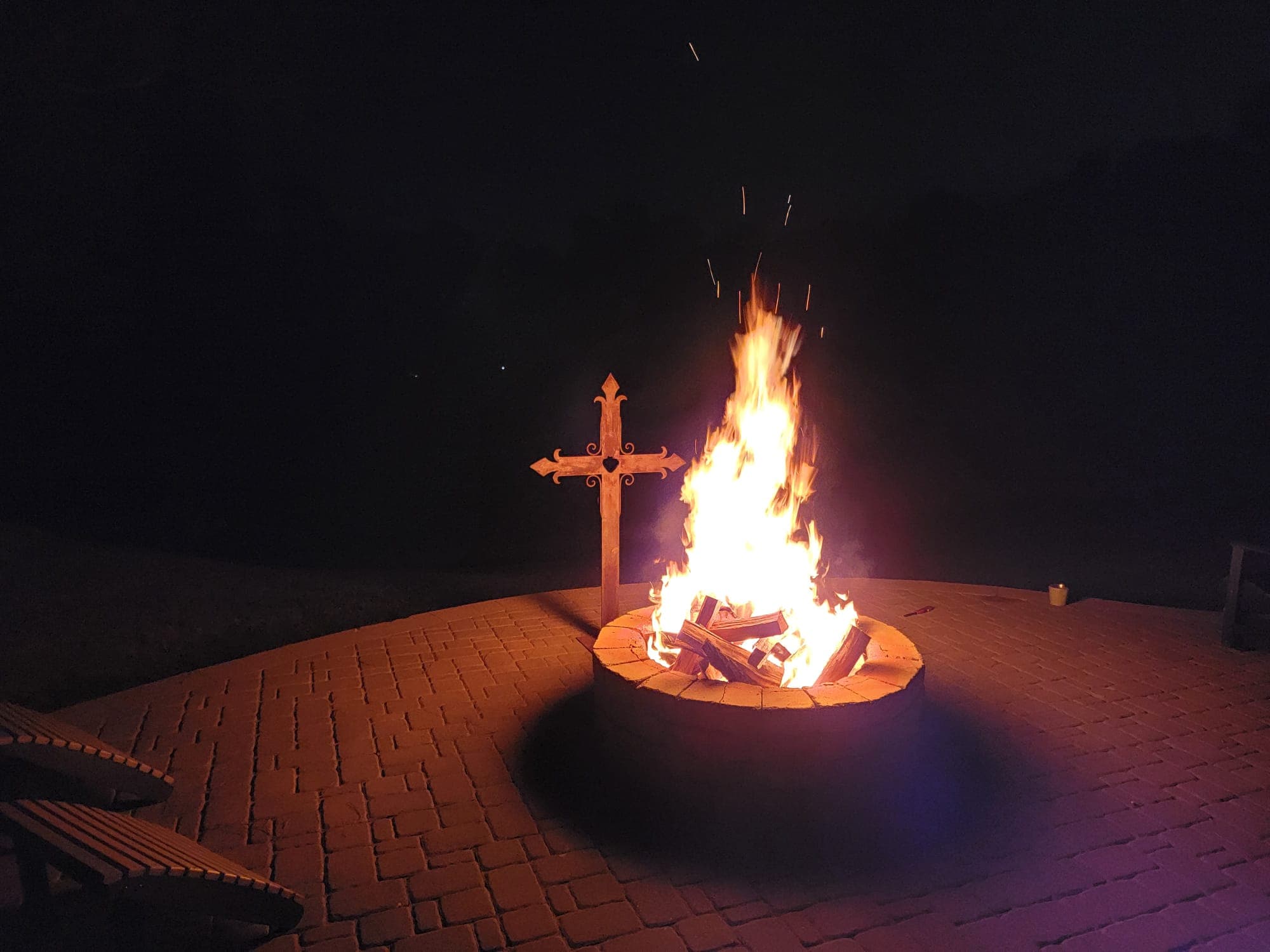
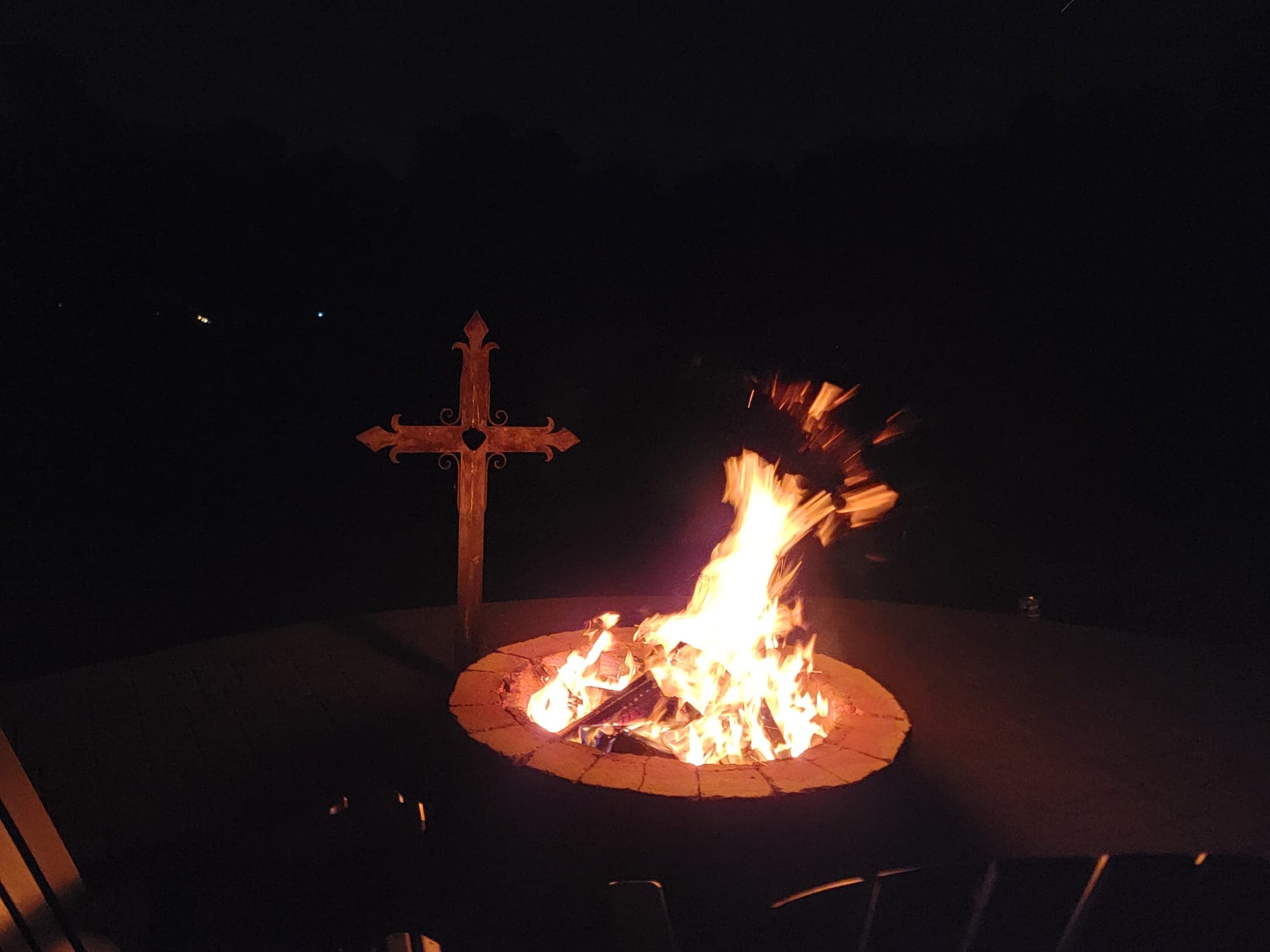
Catholic camps and retreat settings provide uniquely powerful opportunities for men's fellowship. There is something about being outdoors together, removed from the distractions and routines of daily life, that accelerates the formation of brotherhood in ways that weekly meetings cannot fully replicate. Around a campfire, under the stars, men often open up about their faith, their struggles, and their hopes in ways they would never do in a parish meeting room.
Many parishes have found that an annual men's retreat or camping trip serves as the catalyst that launches or reinvigorates their men's ministry. The shared experience of physical challenge, whether hiking, canoeing, or simply enduring the elements together, creates a bond that carries over into the regular meetings throughout the year. The natural beauty of the outdoor setting opens hearts to the Creator in ways that indoor environments seldom can, and the absence of digital distractions creates space for the kind of deep conversation and prayer that modern life rarely permits.
Consider organizing a men's camping retreat that combines structured spiritual programming with unstructured time for fellowship and recreation. A typical retreat might include morning prayer, a teaching session, a physical activity like hiking or fishing, time for personal reflection and confession, and an evening campfire with shared testimony and intercessory prayer. This combination of elements engages the whole man, body, mind, heart, and spirit, and creates lasting memories that anchor the faith experience in the deepest layers of the person.
The Call to Brotherhood
If you are a Catholic man reading this article, I want to speak directly to you. You were not made to walk this road alone. The Christian life is, by its very nature, communal. Jesus Himself did not pursue His mission in solitude. He gathered twelve men around Him, shared life with them, taught them, challenged them, forgave them, and sent them out to change the world. He still works that way today.
You need brothers who will pray for you, challenge you, encourage you, and pick you up when you fall. You need men who will tell you the truth when you need to hear it and celebrate with you when God works miracles in your life. You need a band of brothers who share your commitment to Christ, His Church, and the mission He has entrusted to every baptized man.
If such a group exists in your parish or community, join it. If it does not, start one. Begin with prayer, recruit a few good men, and take the first step. The road ahead will not always be easy, but you will not walk it alone. And that, in the end, is the whole point.
"For where two or three gather in my name, there am I with them." (Matthew 18:20)
The Lord who called the Twelve is calling you. He is calling you out of isolation and into community, out of passivity and into mission, out of comfort and into the glorious, demanding, transformative adventure of Catholic manhood lived in the company of brothers. Answer the call. The Church needs you. Your family needs you. The world needs you. And somewhere, a group of men you have not yet met is waiting for you to show up.